Protecting Innocence Symposium - 2026
Register Now!
Capacity: 30 -
Available: 29
Protecting Innocence Symposium - 2026
Members' Fee: $0
Sworn Non-Members' Fee: $0
Non-Members' Fee: $0
DOWNLOAD FILE
Date: Friday, October 23, 2026
Registration Deadline: Thursday, October 15, 2026
Time: 8:00 AM - 5:00 PM
Registration Deadline: Thursday, October 15, 2026
Time: 8:00 AM - 5:00 PM
Instructor Location:
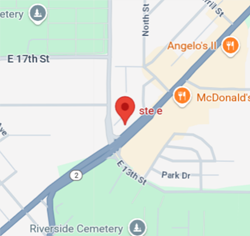
UIC - Rockford
Instructor: Stephen Mills, Dana Miller, Melissa Box and Patricia LewisUIC - Rockford
1601 Parkview Avenue
Rockford, IL 61107
Rockford, IL 61107
Members' Fee: $0
Sworn Non-Members' Fee: $0
Non-Members' Fee: $0
DOWNLOAD FILE
COURSE OVERVIEW:
The topics covered in this symposium are:
• Apply evidence-based strategies for the prevention of child maltreatment, including
recognizing protective factors and family-strengthening interventions.
• Identify clinical, behavioral, and environmental indicators of child abuse, grooming, child
sexual exploitation, and barriers to disclosure using a trauma-informed approach.
• Evaluate opportunities to improve multidisciplinary collaboration and implement
organizational and community-based strategies that enhance child safety and promote
family well-being.
COURSE GOALS:
Following participation, learners are expected to:
• Incorporate prevention and family-strengthening strategies into routine clinical
encounters when appropriate.
• Improve recognition of children at risk for abuse, exploitation, or neglect and respond
with timely, evidence-based assessment, documentation, reporting, and referral.
• Utilize trauma-informed communication techniques that support children and caregivers,
reduce re-traumatization and encourage engagement in care.
• Strengthen collaboration with multidisciplinary partners, including child advocacy
centers, child protective services, behavioral health providers, schools, law enforcement,
and community organizations, to improve coordinated care and child protection.
• Identify opportunities within their own organizations to improve policies, protocols, and
quality improvement initiatives related to child maltreatment prevention and response.
Implementation of the knowledge and skills gained from this activity is expected to contribute to:
• Earlier recognition and intervention for children experiencing abuse, neglect,
exploitation, or trafficking.
• Improved access to timely medical, behavioral health, advocacy, and protective services.
• More consistent delivery of trauma-informed, family-centered care that supports healing
and reduces the risk of re-traumatization.
• Enhanced collaboration among healthcare, child welfare, education, law enforcement,
and community partners, resulting in more coordinated and effective responses to child
maltreatment.
• Increased emphasis on prevention and protective factors, ultimately promoting safer
environments, stronger families, and improved health and well-being for children
Partial funding provided by the Illinois Law Enforcement Training and Standards Board.
The topics covered in this symposium are:
- It Takes a Village: How Communities Enable Child Sex Predators
- Online Exploitation and Sextortion: Awareness and Response
- Strengthening Organizational Policies and Procedures
- The Family Strengthening and Family Safety: Transformation at Illinois DCFS
• Apply evidence-based strategies for the prevention of child maltreatment, including
recognizing protective factors and family-strengthening interventions.
• Identify clinical, behavioral, and environmental indicators of child abuse, grooming, child
sexual exploitation, and barriers to disclosure using a trauma-informed approach.
• Evaluate opportunities to improve multidisciplinary collaboration and implement
organizational and community-based strategies that enhance child safety and promote
family well-being.
COURSE GOALS:
Following participation, learners are expected to:
• Incorporate prevention and family-strengthening strategies into routine clinical
encounters when appropriate.
• Improve recognition of children at risk for abuse, exploitation, or neglect and respond
with timely, evidence-based assessment, documentation, reporting, and referral.
• Utilize trauma-informed communication techniques that support children and caregivers,
reduce re-traumatization and encourage engagement in care.
• Strengthen collaboration with multidisciplinary partners, including child advocacy
centers, child protective services, behavioral health providers, schools, law enforcement,
and community organizations, to improve coordinated care and child protection.
• Identify opportunities within their own organizations to improve policies, protocols, and
quality improvement initiatives related to child maltreatment prevention and response.
Implementation of the knowledge and skills gained from this activity is expected to contribute to:
• Earlier recognition and intervention for children experiencing abuse, neglect,
exploitation, or trafficking.
• Improved access to timely medical, behavioral health, advocacy, and protective services.
• More consistent delivery of trauma-informed, family-centered care that supports healing
and reduces the risk of re-traumatization.
• Enhanced collaboration among healthcare, child welfare, education, law enforcement,
and community partners, resulting in more coordinated and effective responses to child
maltreatment.
• Increased emphasis on prevention and protective factors, ultimately promoting safer
environments, stronger families, and improved health and well-being for children
This course has been certified by the ILETSB and approved to meet the following mandates:
- Procedural Justice - 6.0 hours
REGISTRATION:
All registrations are received on the MTU#1 website. Find Registration instructions herePartial funding provided by the Illinois Law Enforcement Training and Standards Board.